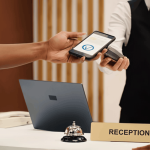
Reliable cellular connectivity has become an essential part of the modern hospitality experience. Whether guests are checking into a hotel, attending a conference, working remotely, or communicating with family, they expect their mobile devices to function throughout the property.
Yet maintaining consistent hospitality cellular coverage can be challenging. Large buildings, complex architectural designs, construction materials, and high concentrations of mobile users can interfere with cellular signals, creating coverage gaps that affect both guests and hotel operations.
For hospitality property owners and operators, planning reliable in-building wireless connectivity is an important investment in guest satisfaction, operational efficiency, and long-term property performance.
Why Cellular Coverage Matters in Hospitality Environments
Today’s hotel guests rely on their mobile devices for far more than phone calls. From mobile check-in and digital concierge services to business communications and personal entertainment, cellular connectivity supports nearly every stage of the guest experience.
While Wi-Fi remains an important component of a hotel’s connectivity infrastructure, it does not eliminate the need for dependable cellular service. Guests expect to make calls, send messages, and access their mobile networks without experiencing dropped connections or inconsistent signal strength.
Poor cellular coverage can create challenges across several areas of a hospitality property:
- Guest rooms and suites: Weak cellular signals can disrupt personal and business communications, particularly in interior rooms or on higher floors.
- Lobbies and common areas: High concentrations of guests can place additional demands on wireless networks during peak arrival and departure periods.
- Conference and event spaces: Meetings, conventions, and large gatherings require reliable connectivity to support attendees, vendors, and event operations.
- Elevators and stairwells: Enclosed spaces and dense building materials can make consistent cellular coverage difficult to maintain.
- Restaurants and amenities: Guests expect dependable service in dining areas, fitness centers, spas, and other shared spaces.
- Parking structures and outdoor areas: Underground garages, parking decks, and surrounding amenities may experience limited signal penetration.
Addressing these challenges requires a comprehensive approach to hotel cellular coverage that considers the property’s layout, building materials, network demands, and long-term operational needs.
What Causes Poor Cellular Coverage in Hotels?
Hospitality properties present unique challenges for cellular network performance. Even buildings located in areas with strong outdoor cellular signals can experience significant connectivity issues indoors.
Building Materials and Architectural Design
Modern hotels frequently incorporate materials such as concrete, steel, energy-efficient glass, and metal-coated windows. Although these materials serve important structural and energy-efficiency purposes, they can also weaken or block cellular signals.
Large properties with multiple floors, interior corridors, underground levels, and expansive conference facilities can further complicate signal distribution.
High-Density Network Demand
Hotels often accommodate hundreds or thousands of connected devices simultaneously. During conferences, conventions, weddings, and other large events, the concentration of mobile users can increase dramatically.
Even when signal strength appears adequate, network congestion can affect performance, resulting in slower data speeds, unreliable connections, and inconsistent service.
Inconsistent Carrier Coverage
Guests arrive with devices connected to different mobile network operators. A property may have acceptable coverage for one carrier while guests using another experience significant connectivity challenges.
This makes a multi-carrier approach to in-building wireless connectivity especially important in hospitality environments, where operators have limited control over which cellular networks their guests use.
How In-Building Wireless Solutions Improve Hotel Cellular Coverage
Addressing cellular coverage challenges requires infrastructure designed around the property’s specific needs. One of the most widely used approaches is a Distributed Antenna System (DAS).
Distributed Antenna Systems (DAS)
A Distributed Antenna System distributes cellular signals throughout a building using a network of strategically positioned antennas and supporting infrastructure.
Rather than relying exclusively on signals penetrating the building from nearby outdoor towers, a DAS helps deliver cellular coverage to areas where service would otherwise be weak or inconsistent.
For hospitality properties, a properly designed DAS can provide several advantages:
- More consistent cellular coverage across guest rooms, corridors, meeting spaces, and common areas.
- Support for multiple cellular carriers, depending on system design and carrier participation.
- Improved cellular connectivity in areas affected by signal-blocking construction materials.
- Infrastructure designed to accommodate varying occupancy levels and network demands.
- Greater flexibility to support future wireless technology upgrades.
DAS solutions can be particularly valuable for large hotels, resorts, convention properties, and mixed-use hospitality developments where reliable cellular service must extend across complex building environments.
Small Cell Solutions
Small cells are another option for improving cellular connectivity in targeted areas. These compact, low-power cellular access points can provide localized coverage or additional network capacity where needed.
Depending on the property’s requirements, small cells may complement a DAS deployment or serve as a more focused solution for specific coverage challenges.
The appropriate approach depends on factors such as property size, existing infrastructure, carrier requirements, occupancy patterns, and available network connectivity.
Key Considerations When Planning Hospitality Cellular Coverage
Successful in-building wireless deployments begin well before equipment installation. A thorough planning process helps property owners and operators identify connectivity challenges, establish performance expectations, and select infrastructure that aligns with operational priorities.
1. Conduct a Comprehensive Cellular Coverage Assessment
The first step is understanding how cellular networks currently perform throughout the property.
An assessment may include RF testing, signal measurements, coverage mapping, and an evaluation of existing wireless infrastructure.
Particular attention should be given to high-priority areas such as guest rooms, conference facilities, elevators, back-of-house spaces, and parking structures.
This process helps identify where additional coverage or capacity may be needed and provides a foundation for system design.
2. Evaluate Carrier Requirements
Hospitality properties serve guests who use different cellular carriers, making broad network compatibility an important planning consideration.
Property owners should evaluate which carriers require support, how those carriers perform throughout the building, and what technical or commercial requirements may affect the deployment.
A technology-agnostic wireless partner can help evaluate available solutions without limiting the project to a single equipment manufacturer or network architecture.
3. Plan for Peak Occupancy and Event Demand
Wireless performance requirements can vary significantly depending on property occupancy and event schedules.
A conference hotel hosting a large industry convention may experience substantially different network demands than the same property during a typical weekday.
System planning should account for high-density gathering spaces, seasonal occupancy patterns, and anticipated growth in mobile data usage.
Designing around realistic usage scenarios helps ensure that infrastructure can support the property’s operational requirements.
4. Coordinate Wireless Infrastructure With Building Operations
In-building wireless systems require careful coordination with existing building infrastructure, including equipment rooms, cable pathways, power availability, and network connectivity.
For new construction or major renovations, incorporating cellular infrastructure into early planning can help minimize installation challenges and avoid unnecessary modifications later.
For existing hotels, deployment planning should also consider guest access, construction schedules, aesthetic requirements, and the need to minimize operational disruptions.
5. Consider Long-Term Monitoring and Maintenance
Reliable cellular connectivity requires ongoing attention after installation.
Network conditions, carrier configurations, equipment performance, and property usage can change over time. Without appropriate monitoring, connectivity issues may go unnoticed until guests or employees begin reporting problems.
Proactive network monitoring can help identify equipment alarms, performance trends, and potential service disruptions before they become widespread operational concerns.
For hospitality operators, incorporating monitoring and maintenance into the initial wireless strategy supports more consistent network performance over the system’s lifecycle.
Why Hospitality Cellular Coverage Should Be Part of Long-Term Property Planning
In-building wireless connectivity should be considered alongside other essential building systems when planning new developments, renovations, and property improvements.
As hotels introduce more mobile-enabled services and guests continue to depend on their personal devices, dependable cellular infrastructure becomes increasingly relevant to the property’s overall technology strategy.
Early planning also gives owners and operators the opportunity to evaluate infrastructure requirements, coordinate with relevant stakeholders, and account for future network expansion.
For properties undergoing renovation or repositioning, evaluating existing cellular performance can help determine whether current infrastructure is capable of supporting evolving guest expectations.
Ultimately, a well-planned wireless network can help hospitality properties deliver a more consistent experience while supporting the operational needs of staff, vendors, and event organizers.
Partnering With RK Squared for Hospitality Wireless Connectivity
Every hospitality property has different connectivity requirements. From boutique hotels to expansive resorts and convention centers, successful wireless deployments depend on understanding the building environment, operational priorities, and long-term network objectives.
RK Squared designs, builds, and manages in-building wireless networks that help hospitality properties address coverage and capacity challenges.
With expertise in Distributed Antenna Systems, small cell solutions, RF design, and managed network services, RK Squared works with property owners, operators, and technology stakeholders to develop solutions tailored to their facilities.
RK Squared’s technology-agnostic approach allows the team to evaluate infrastructure options based on the property’s specific needs, while its Occulor monitoring solution provides ongoing visibility into network performance through 24/7 monitoring and proactive issue identification.
Whether planning wireless infrastructure for a new hotel development, evaluating connectivity during a renovation, or addressing persistent coverage gaps in an existing property, RK Squared can help identify the right approach.
Planning an in-building wireless solution for your hospitality property? Connect with RK Squared to discuss your coverage requirements and explore solutions designed to support reliable connectivity throughout your facility.